
Origin and main characteristics of the Guara almond
The Guara almond was born in Aragon in the 1980s, the result of research by the Centre for Agri-Food Research and Technology of Aragon (CITA). Although it shares its genetics with the Italian Tuono variety, it found its true home here, adapting like few others to the dry inland landscape of the Iberian Peninsula. Its name is no coincidence: the Sierra de Guara gives it identity and territorial pride.
In a short time, this variety conquered much of Spain’s almond-growing areas. Why? Thanks to a winning combination: late flowering, which protects it from spring frosts; self-fertility, which simplifies cultivation; and stable, abundant yields. The tree begins to produce early and maintains strong harvests year after year. Its hard shell protects the kernel well, and its kernel yield exceeds 35%, far above more famous varieties like Marcona or Largueta.
With an open shape and medium vigour, the Guara almond tree is perfectly suited to mechanical harvesting. The nut has a heart-shaped form, medium size and sweet flavour, with no trace of bitterness. One point to watch: in warm climates, it may produce a moderate number of double kernels, which can affect quality for direct consumption.
Cultivation and environmental adaptation
This variety has proven its adaptability. From the Somontano and Los Monegros regions to the milder coastal areas, Guara is a safe choice for farmers. Its strength lies in dryland farming, where other varieties struggle—Guara holds its ground. And when irrigation is available, it performs even better: larger kernels and higher yields per hectare.
Its hardiness has also made it a favourite in organic farming. It can be cultivated with minimal chemical treatments, as long as tree ventilation is controlled and pruning is used to prevent diseases like rust or monilia.
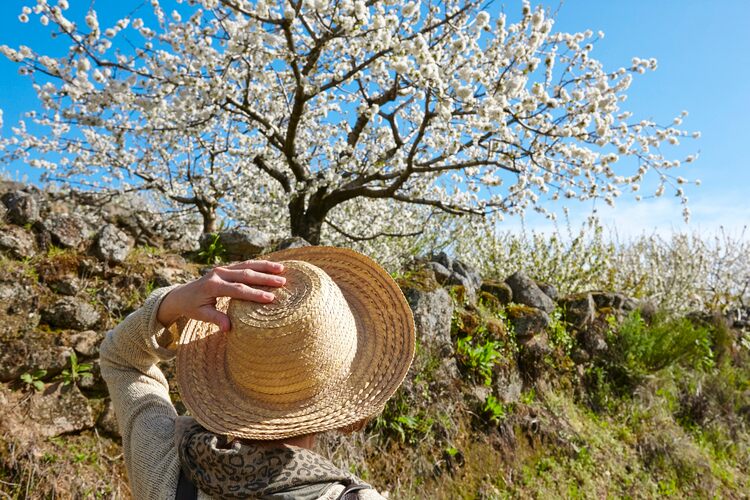
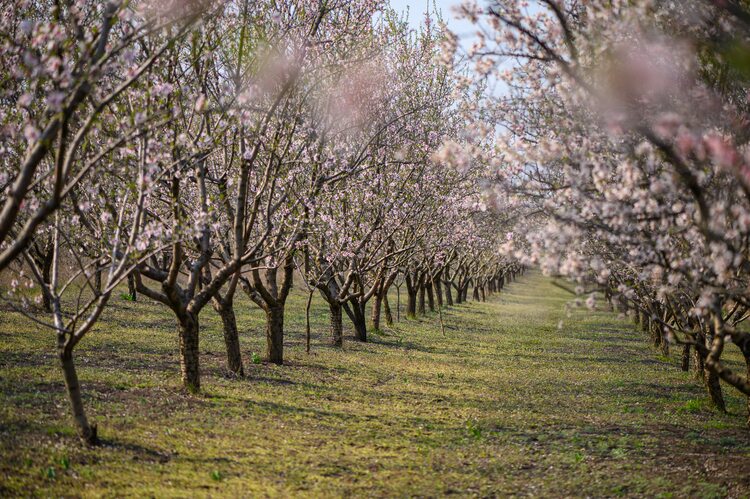
Late flowering, from late February to March, is key to avoiding frost damage. At the same time, its early maturity allows for an easier, more organised harvest. In terms of pruning, this variety requires attention: a good structural base is essential to support abundant yields. With light and regular pruning, the tree stays young, healthy, and productive.
What are the nutritional properties and health benefits of the Guara almond?
This almond is not just productive in the field—it’s also a nutritious, energy-rich and healthy food. Every 100 grams provide about 580–600 kcal, with a high content of monounsaturated fats—the kind that support heart health. Its fat profile, led by oleic acid, closely resembles that of olive oil.
It’s also rich in vitamin E, a powerful antioxidant, and minerals like calcium, magnesium, and phosphorus, which are essential for bone maintenance. Its potassium and fibre content help regulate blood pressure and support digestion.
Who is it for? Almost everyone. It’s recommended for people with type 2 diabetes due to its low glycaemic index, for those aiming to lose weight thanks to its satiating effect, and for those following vegetarian or vegan diets, as its plant protein is high-quality and contains all essential amino acids.
In cosmetics, sweet almond oil extracted from Guara is widely used in creams, body oils and natural skincare products, especially for sensitive or dry skin. It has a light texture and strong moisturising capacity.
Culinary uses and almond transformations
Traditional sweets and modern trends
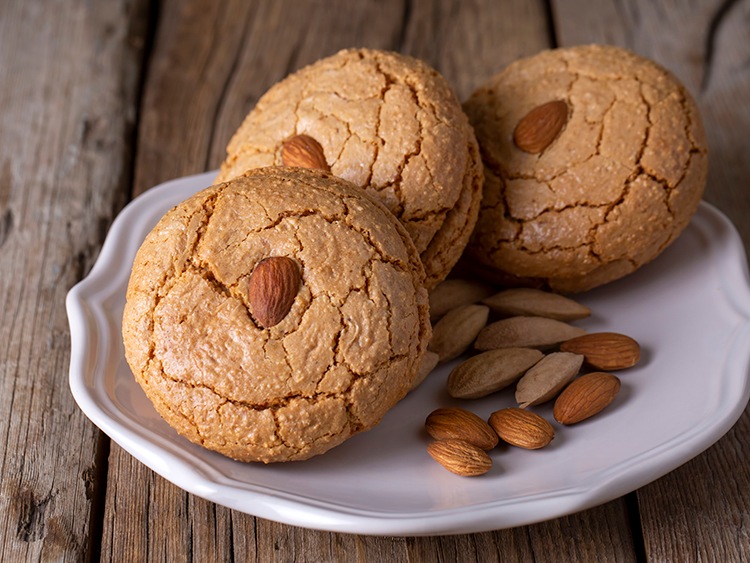
Guara almonds are a familiar presence in Aragonese kitchens. Their sweet flavour, balanced texture, and uniform kernels make them perfect for traditional pastries. You’ll find them in artisanal nougats, marzipans, cakes, and tarts that revive old recipes, as well as in new creations that embrace local and healthy food. They’ve also long been used in traditional Aragonese cuisine.
Their versatility has earned them a place in the world of plant-based alternatives. Almond milk made with Guara is smooth, naturally sweet, and creamy—ideal for homemade dairy-free drinks. Guara almond flour, widely used in gluten-free baking, offers a neutral flavour and reliable structure, perfect for cakes, panellets, or low-carb breads.
As a snack, Guara almonds shine whether roasted with salt, caramelised, or coated in chocolate. Their balance of sweetness and crunch makes them perfect for direct snacking or in premium nut mixes.
From the kitchen to skincare: Guara almond oil
When not consumed whole, Guara almonds are also an excellent raw material for oil production. Cold-pressing yields a mild, delicately aromatic oil that is highly valued for its nutritional and sensory qualities. In cooking, it’s ideal for cold dishes or as a finishing touch on healthy recipes.
But its uses go beyond the kitchen. Guara almond oil is highly regarded in natural cosmetics. It’s found in creams, body oils, and skincare products—especially those designed for sensitive or dry skin. Its light texture and hydrating properties make it stand out. Plus, its richness in vitamin E provides natural antioxidant protection, helping to nourish and defend the skin from external damage.
Comparison with other almond varieties
The Marcona almond is famous for its buttery texture and unmistakable flavour, but it demands a lot: it’s self-sterile, flowers early, and needs soft, frost-free soils. Its kernel yield is lower and cultivation costs are higher. In contrast, Guara is self-fertile, late-flowering, and far more resilient—making it more profitable for many farms.
A similar story with Largueta. Its elongated shape and easily peeled skin make it perfect for snacks, but it’s more vulnerable to frost and less consistent in yield. Guara, on the other hand, remains stable even in tough years.
Compared to newer varieties like Lauranne, Soleta, or Belona, Guara maintains its place thanks to its reliability. While these newcomers have improved certain traits like kernel size or disease resistance, Guara remains the favourite for those seeking proven results in drylands or organic systems.
Where to enjoy Guara almonds? At Casa Pardina and Fornocal
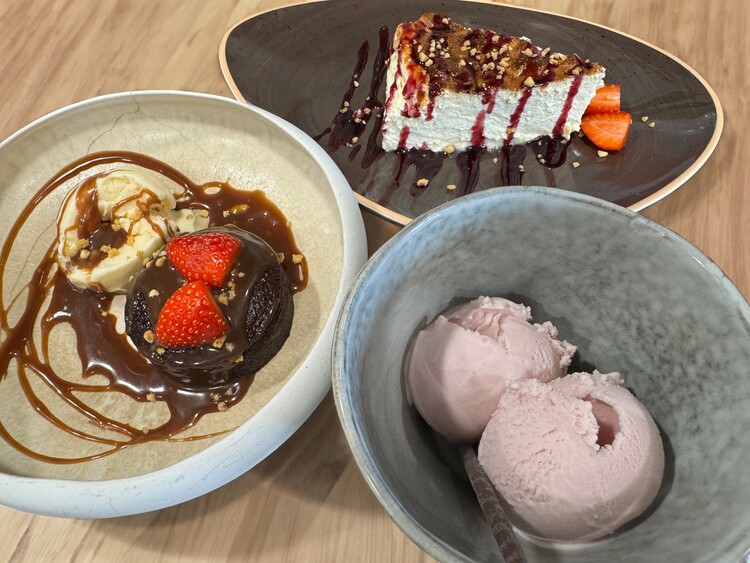
At Casa Pardina, Guara almonds appear in many of our desserts and dishes. They’re more than just an ingredient—they bring the true flavour of our land to the table. We love working with local products, and Guara, with its sweet character and Aragonese roots, is one of them.
And if you want to take that taste home, visit Fornocal. There, you’ll find Guara almonds in natural, roasted, flour or artisanal formats. It’s an easy and delicious way to support local production and keep enjoying a taste of Aragon wherever you are.