

The Alquézar Walkway Route is much more than a simple trail. It’s an experience that connects with the soul of the Somontano region, blending spectacular landscapes, native flora, and captivating historical tales. This journey invites you to immerse yourself in an environment where nature and culture intertwine uniquely.
The Alquézar Walkway Route: A Journey Through Nature and Culture
The Alquézar Walkway Route offers an experience tailored to all kinds of visitors. Whether you’re seeking a peaceful walk or a deeper connection with nature and history, this trail has something special for everyone.
At Casa Pardina, we fondly remember our first encounter with these walkways before their renovation. Back then, it was a more rudimentary but equally thrilling adventure that allowed us to uncover the secrets of Alquézar from a unique perspective. Today, the walkways have been refurbished to enhance accessibility and safety, delivering a spectacular experience: an impeccable route that remains just as magical but now more comfortable and suitable for all audiences.
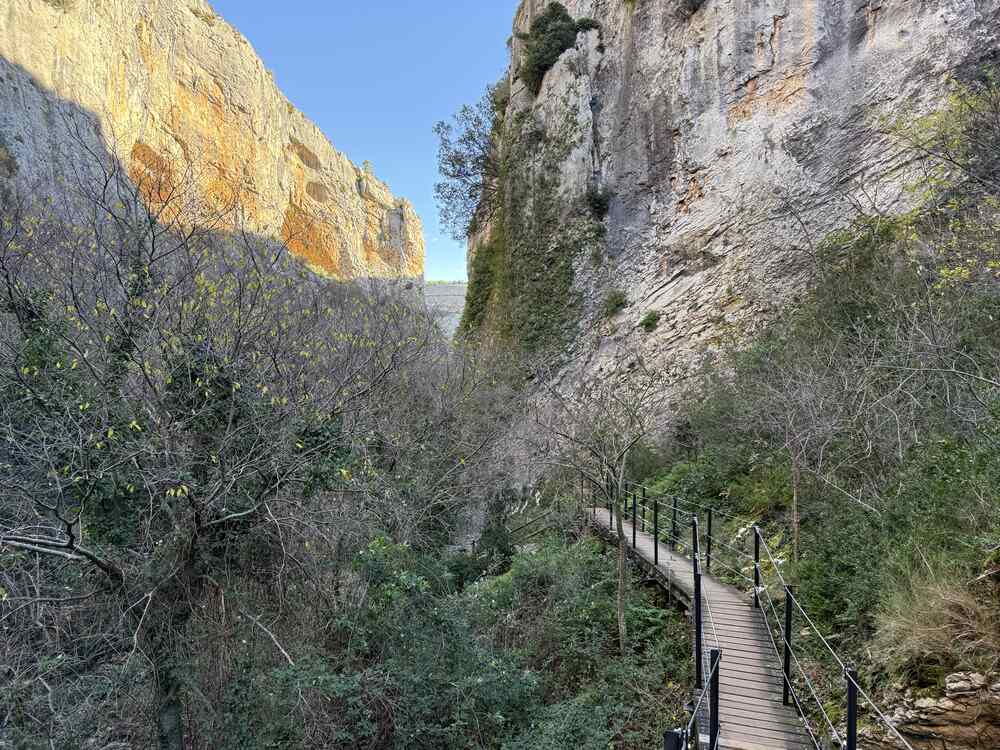
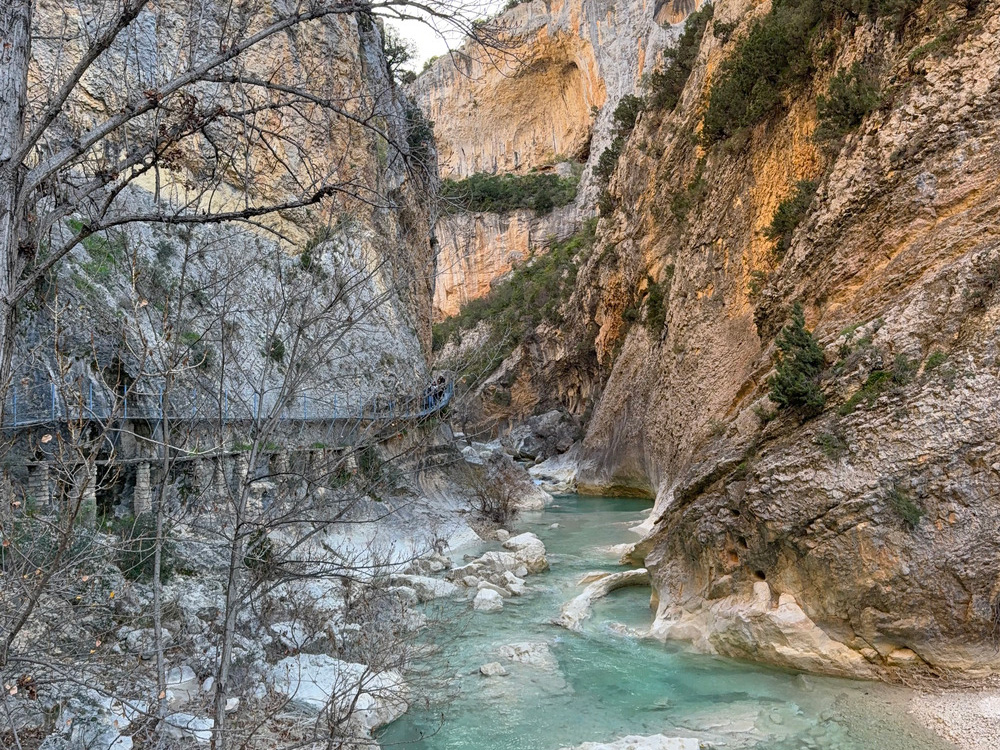
The path will take you among majestic rock formations, across the crystal-clear waters of the Vero River, and offer you unparalleled views of the Sierra de Guara’s landscapes. Moreover, the option to choose between exploring the route independently or with a guide allows you to tailor the experience to your interests and skill level.
One of the greatest virtues of this activity is its versatility: it’s designed to be accessible and enjoyable for families, children, and even older adults. The combination of nature, history, and a well-maintained trail makes it an ideal choice for those seeking a leisurely walk or a more enriching experience.
From Industrial Use to Tourism
What we now know as the Alquézar Walkway Route began as an access path for workers at the local hydroelectric plant in 1986. Over time, this trail was adapted to offer an accessible experience, enabling visitors to explore the Vero River canyon without requiring canyoning skills.
Today, this path allows visitors to explore a canyon in the Sierra de Guara without engaging in canyoning, offering an accessible yet equally thrilling adventure. The trail is enhanced by the presence of the Vero River and the iconic lammergeiers, which still inhabit this area.
The Origin of the Canyons and the Formation of the Landscape
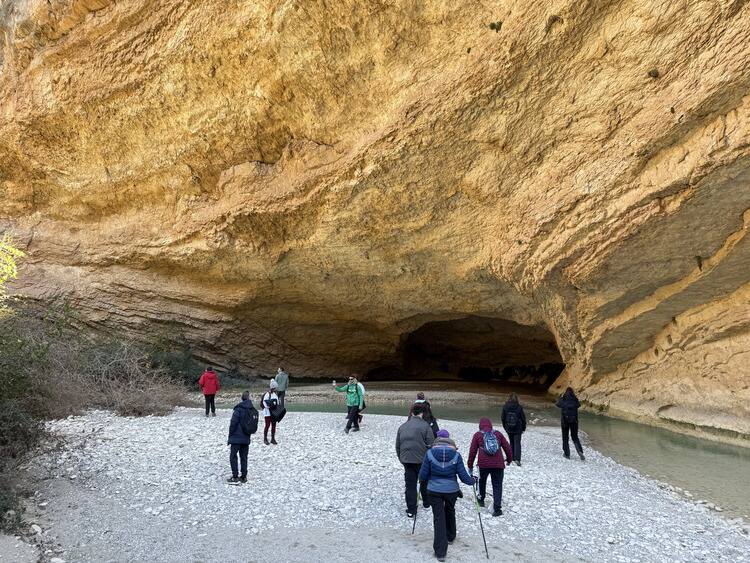
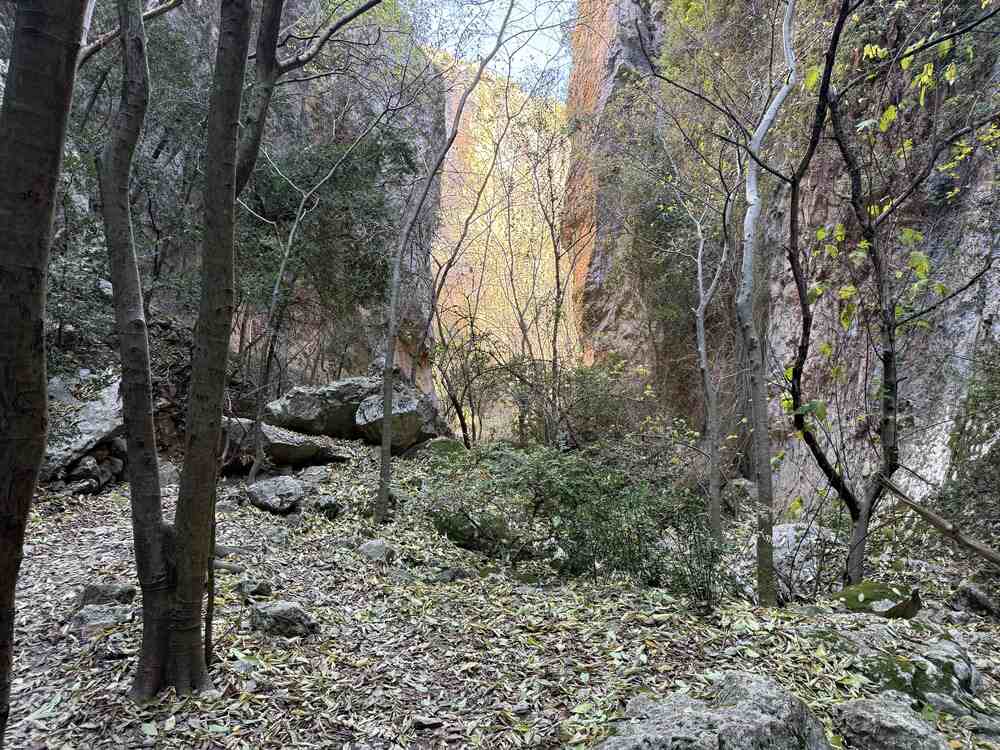
The imposing Vero River canyon, the main feature of this route, is the result of millennia of erosion and sedimentation. Water, as a natural sculptor, has shaped extraordinary landscapes such as the Picamartillo Cave, known as “a tropical slice in the Sierra de Guara.” This spot blends Pre-Pyrenean vegetation with Mediterranean species, offering a striking contrast that amazes its visitors.
Caves and Cultural Heritage
Beyond its natural beauty, this area holds invaluable testimonies of human history, where caves and their rock paintings narrate the first artistic expressions of the Somontano region.
Rock Art in the Vero River Area
Although the Alquézar Walkway Route doesn’t directly cross the caves with rock paintings, they are part of the cultural and natural environment of the Vero River, an area recognized as a UNESCO World Heritage Site. This recognition highlights the importance of preserving not only the rock paintings but also the unique landscape that connects visitors with the deepest roots of Somontano.
The rock paintings found in the caves around Alquézar represent a unique connection between the region’s early inhabitants and their natural environment. These archaeological remains document thousands of years of adaptation, beliefs, and ways of life, from hunter-gatherers to the first settled communities. Within these caves, three main artistic styles can be observed:
- Paleolithic Art: This style includes representations of hands and simple lines dating back over 10,000 years. These marks, often symbolic, may have been used as tribal identifiers or ritual elements.
- Levantine Style: More detailed and figurative, this style stands out for its hunting scenes depicting animals such as deer and goats. These images reflect the close relationship between humans and nature.
- Schematic Designs: Abstract figures that seem to carry ritual or religious meanings, leaving room for interpretation.
This archaeological treasure not only connects visitors with history but also illustrates Alquézar’s rich cultural diversity throughout the ages.
Notable Caves
In the Vero River area, caves like Barfaluy, Arpán, and Chimiachas are considered true treasures of rock art. These caves not only contain visual representations but also tell stories about how the early communities of Somontano lived and thought.
- Barfaluy Cave: Features stylized human figures and hunting scenes, reflecting the importance of animals in daily and spiritual life.
- Arpán Shelter: With a combination of Levantine and schematic styles, it showcases the artistic and cultural evolution of the region.
- Chimiachas Shelter: Famous for its “lone deer,” an iconic figure renowned for its detail and uniqueness within Levantine rock art.
Vero River Cultural Park
These caves are part of the Vero River Cultural Park, an initiative that not only protects rock art but also promotes responsible tourism and fosters a connection between visitors and this unique environment. This park combines nature, history, and archaeology in a sustainable management model, inviting visitors to explore Somontano from a holistic perspective.
Flora and Fauna of the Sierra de Guara
The Sierra de Guara, with its rich natural diversity, is a unique enclave hosting an impressive variety of flora and fauna. From plant species adapted to extreme conditions to iconic animals soaring over the Vero River canyon, this area is a biodiversity haven. Exploring the flora and fauna of this region is not just an educational experience but also an invitation to connect with nature in its purest form.
A Journey Through Natural History
As you walk, you’ll encounter plants that tell their own stories. Among them are:
- Bear’s Ear (Orella d’onso): A prehistoric flower that has survived since the Ice Age. Its large, soft leaves stand out among the rocky vegetation, symbolizing adaptation to harsh environments.
- Venus’ Navel: This plant grows in rock cracks and vertical walls, forming small green tapestries. It is valued for its medicinal uses, especially in soothing burns and cuts.
- Rosemary, Thyme, and Lavender: Aromatic herbs that not only fill the air with their scents but also hold a special place in local gastronomy and traditions. Historically, they were used to repel insects and perfume clothing.
- Butcher’s Broom (Rusco): Known for its peculiar branches resembling leaves, it has been historically used as Christmas decorations and as a natural remedy for improving circulation.
- Gorse (Aliaga): With sharp thorns, this plant not only protects local fauna but also served as quick ignition material in old forges.
Fauna of the Vero River Canyon
The Vero River canyon is a refuge for a wide range of animal species. Among the most notable are:
- Griffon Vultures: These scavenger birds, with a wingspan exceeding 2.5 meters, are the guardians of the Sierra de Guara’s skies. Their presence is vital for the ecosystem’s balance, as they help clean up animal remains.
- Lammergeiers: A majestic and endangered species that employs a unique strategy to feed—dropping bones from great heights to break them and consume the marrow.
- Otters: Stealthy inhabitants of the Vero River waters, otters are indicators of the river’s purity. Their activity is most visible at dawn or dusk.
- Kingfishers: These small, vibrant birds are known for their quick dives into the water to catch fish. Their presence adds a splash of color and energy to the landscape.
- Mountain Goats: Seen in the canyon’s steepest areas, these goats are a perfect example of adaptation to rugged and rocky terrain.
Spotting these species is a gift for nature lovers and a compelling reason to explore the route with attention and care.
Stories and Customs of the Vero River
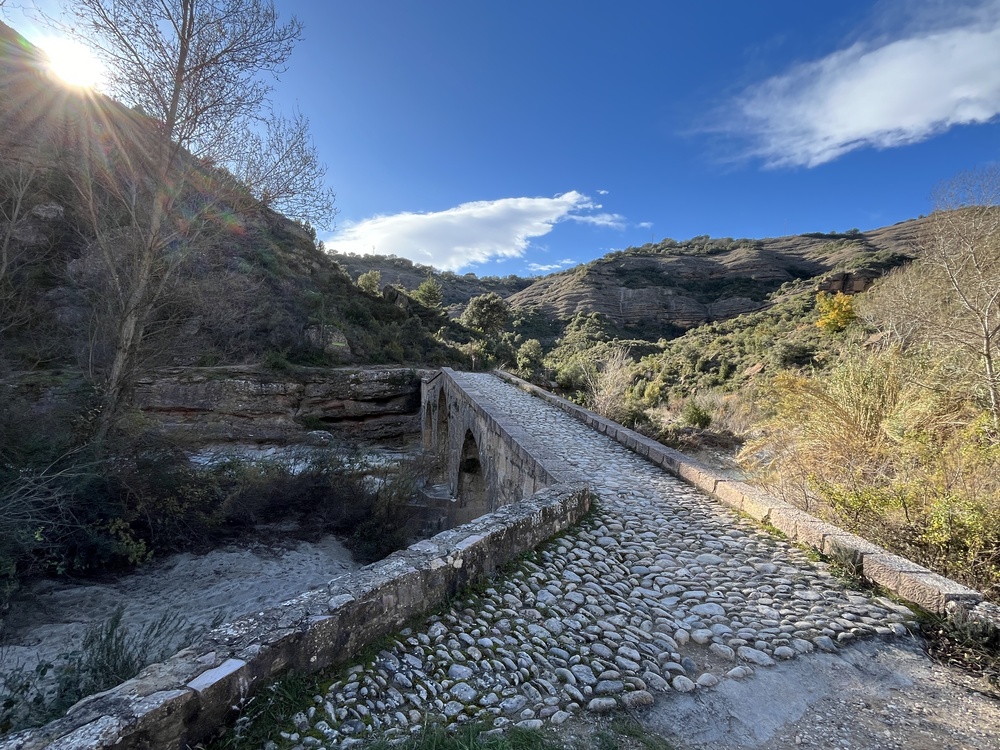
The Vero River has been much more than a landscape; it was a source of life and communication for the local communities. In ancient times, inhabitants transported goods by floating them on wooden rafts. Additionally, local communities gathered medicinal plants along the river, passing down ancestral knowledge.
The elders of the area recount how fishermen used traditional techniques, such as hand-woven nets, to catch native fish. There were also community gathering days for collecting herbs and medicinal plants along the riverbanks—activities that strengthened social bonds and preserved ancient wisdom.
Legends Shrouded in Mystery
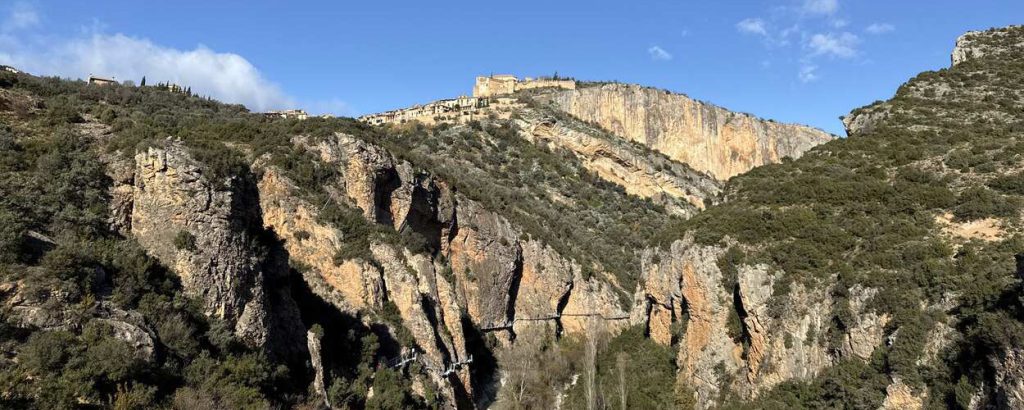
The Alquézar Walkway Route is not only rich in nature and culture but also steeped in stories that fuel local folklore. One of the most captivating tales is the legend of Alquézar’s conquest:
It is said that during the Muslim era, Christians struggled to conquer the town. A young woman from Buera offered her help and agreed to signal when the time was right. During a procession of the Muslim king in the collegiate church, the girl assassinated him by stabbing him with a dagger and decapitating him. She placed his head on the north tower as a signal for the attack. Without their leader, the Muslims were disorganized, which led to their defeat.
Tips to make the most of the Alquézar Walkways Trail
To fully enjoy the Alquézar Walkways Trail, here are some practical tips that will help you make your experience unforgettable:
Best time to visit
You can explore the Alquézar Walkways Trail throughout the year, but spring and autumn are definitely the most recommended seasons. During these months, the weather is mild, the light enhances the landscape’s colours, and the overall experience is more comfortable. In summer, while the scenery is still stunning, it’s best to avoid the central hours of the day, especially when temperatures exceed 30°C. In winter, although less crowded, the trail has its own charm—as long as weather conditions are favourable and you’re dressed appropriately.
Proper clothing and footwear
The route includes ascents, descents, metal walkways and rocky paths, so wear comfortable, sturdy shoes with good grip. Trekking shoes or lightweight boots are ideal. Dress according to the season: breathable, light clothing in warm months and layered clothing on colder days. In sunny seasons, don’t forget a hat or cap, sunglasses, and sunscreen.
Additional gear
Besides bringing enough water—especially in summer—it’s useful to carry a piece of fruit or a light snack to regain energy along the way. A light backpack with essentials is all you need. If you enjoy photography, make sure to bring a camera or a good-quality smartphone: the views over the Vero canyon and the village of Alquézar from above are truly breathtaking. And if you’re travelling with children or older adults, set a relaxed pace and take breaks when needed.
Are the Alquézar walkways dangerous?
Not at all. The Alquézar walkways are safe, as long as basic recommendations and common sense are followed. The path is well maintained and includes handrails and reinforced sections to ensure a secure experience. That said, it does require a certain level of physical fitness and isn’t recommended for people with mobility issues or those not used to hiking. The main risk lies not in the trail itself, but in underestimating the effort it takes—especially on hot days. Avoiding the peak hours in summer is key to enjoying the route comfortably.
Visitor reviews
Most reviews of the Alquézar walkways are very positive. Visitors often highlight the beauty of the surroundings, the thrill of walking above the canyon, and how well the route integrates into the natural environment. Many also appreciate the recent improvements, which have made the trail more accessible without losing its charm. Some note that it can be physically demanding in certain parts, so it’s good to keep that in mind when planning. Overall, it’s an experience that many say they would gladly repeat.
Ticket prices
Access to the Alquézar Walkways Trail is regulated through a ticketing system to help preserve the route and ensure visitor safety. Prices are affordable and tailored to different types of visitors:
- Adults: €5
- Children under 11: Free (a ticket is still required)
- Registered mountain federation members: €2 (with national insurance coverage at minimum)
Online ticket sales close in advance, so it’s recommended to plan ahead and book early. Tickets are also available at the entrance booth until the access area closes. Booking in advance helps manage the flow of visitors, especially in high season.
Where to park in Alquézar?
If you’re planning your visit and wondering where to park in Alquézar, it’s important to know that, starting August 1, 2025, the town has set up paid parking zones for visitors in clearly marked areas.
The cost is 4 euros per vehicle per day, applying to cars, motorcycles and campervans. The system is designed to be easy to use, and signage ensures you always know where to go. These parking zones offer convenient access to the historic centre and key routes like the walkways.
This initiative aims to better organise the space and maintain a peaceful environment. Paying for parking is required to use these zones, so keep it in mind when planning your visit.
Savor Alquézar’s Cuisine at Casa Pardina
After immersing yourself in the beauty and history of the Alquézar Walkway Route, there’s no better way to end the day than with an unforgettable culinary experience. At Casa Pardina, you’ll savor traditional Aragonese flavors crafted from local ingredients and paired with the finest wines from Somontano. It’s the perfect conclusion to a day filled with discoveries.
If you’re looking for a place that combines adventure and reflection, don’t hesitate to take this route. Every corner of the journey will leave you speechless, inviting you to return to Alquézar time and again.
What Captivates You Most About the Alquézar Walkway Route?
We’d love to hear your thoughts! Is it the history hidden within the rock art, the diverse fauna, the adventure of the walkways, or perhaps the gastronomic experience at Casa Pardina?
Share your impressions and anecdotes with us after visiting this magical corner of Aragón.