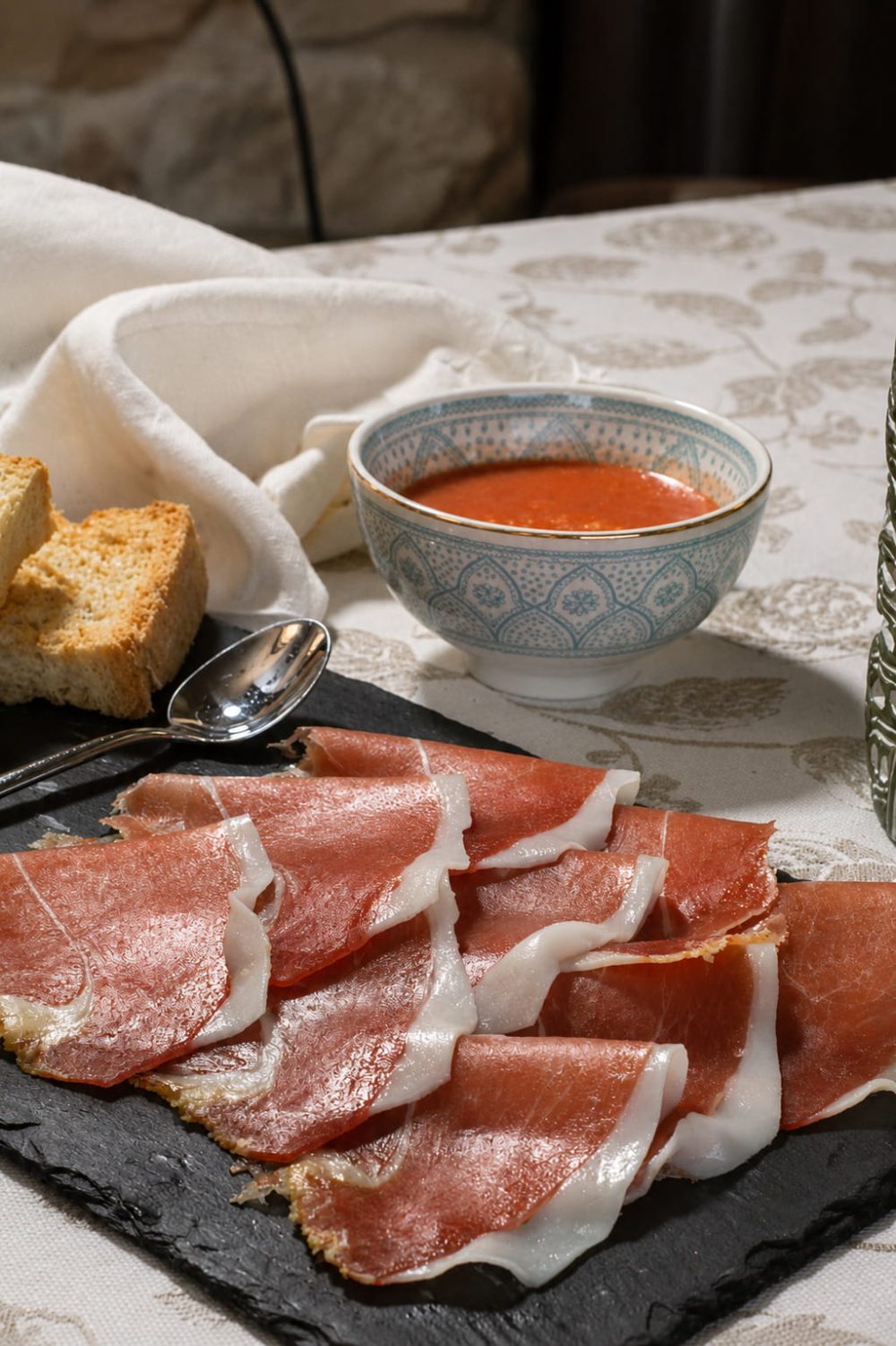

Aragonese pastry is a true reflection of the rich cultural and gastronomic heritage that defines this region in northeastern Spain. Each sweet is a window into the past, preserving traditions and unique flavors that have connected generations. From the valleys of Somontano to the mountains of Guara, the region’s desserts stand out for their authenticity and deep-rooted presence in both daily life and celebrations.
In this article, we explore the diversity of traditional desserts of Aragón, from those influenced by Arab and Jewish heritage to those created to make the most of local ingredients. Each sweet carries a history that enriches Aragón’s cultural legacy and keeps it alive today.
The sweet heritage of Aragón
Aragonese pastry is more than just a culinary pleasure; it is a testament to the customs and traditions that define the region. Sweets are an essential part of local festivities, from Christmas to patron saint celebrations, becoming the centerpiece of moments that bring families and communities together. These desserts reflect the use of local resources, such as almonds, honey, candied fruits, and flour, as well as the creativity of generations who have perfected their recipes over time.
The connection between pastry-making and the Aragonese landscape is evident in how autochthonous ingredients blend into creations that range from simple to sophisticated. Sweets like Frutas de Aragón or Trenza de Almudévar are ambassadors of this culinary heritage, offering not only a gastronomic delight but also a journey through history and tradition.
Beyond taste, Aragonese pastry plays a social and cultural role. Sharing a sweet treat on special occasions or gifting it as a token of appreciation is a deeply ingrained practice that strengthens family and community ties. In essence, pastry in Aragón is a bridge between generations, a symbol of its welcoming nature.
Emblematic desserts of Aragón
The diversity of traditional Aragonese sweets highlights the richness of its gastronomy. From unique techniques to local ingredients, each dessert has its own character, making it an essential part of the region’s identity.
Almudévar braid, the sweet pride of Somontano
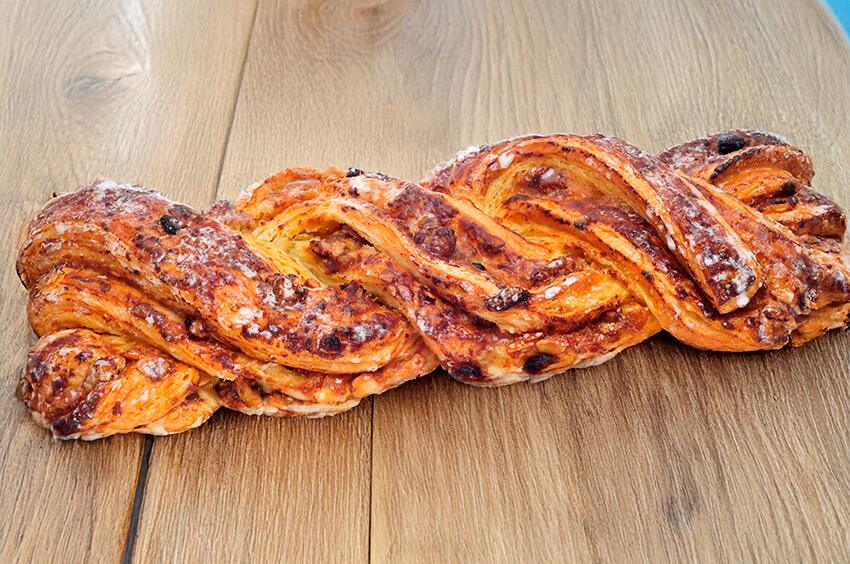
Originating from Somontano, the Almudévar braid is one of Aragón’s most renowned pastries. This sweet treat, made with layers of flaky pastry filled with nuts like walnuts and almonds, along with pastry cream or egg yolk, embodies the creativity and tradition of the area. It was first popularized by the Tolosana bakery in Almudévar and has since become a symbol of Aragonese pastry. Its crispy texture and rich flavor make it a favorite for celebrations and a delightful gift.
Guirlache, the festive almond brittle
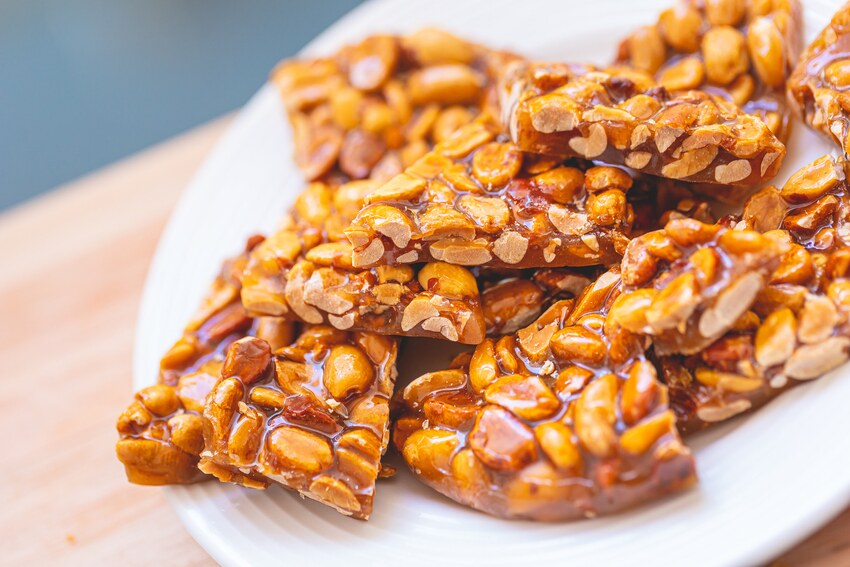
Guirlache is a classic sweet, particularly associated with festivities like Saint Joseph’s Day. Made from toasted almonds and caramelized sugar, this dessert has its roots in the Moorish influence that shaped Iberian cuisine. Its preparation demands precision to achieve the perfect texture—a balance between the hardness of the caramel and the crunch of the almonds. In Aragón, Guirlache stands out for the quality of its ingredients and its role as a traditional gift during celebrations.
Crespillos, the sweet side of borage
Crespillos are a unique dessert that highlights Aragón’s connection to its agricultural products. These crispy fritters are made by dipping fresh borage leaves—a plant commonly used in Aragonese cuisine—into a light batter of flour, eggs, and sugar before frying them to a golden perfection. Traditionally prepared for the Annunciation Festival, they are not just a culinary delight but also a symbol of good fortune for the harvest.
Frutas de Aragón, a chocolate-coated tradition
Frutas de Aragón (Fruits of Aragón) are one of the region’s most recognizable sweets. These candied fruits coated in chocolate offer a perfect balance of sweetness and bitterness. Originally, this technique was used to preserve seasonal fruits, but over time, the addition of chocolate transformed them into an elegant and sought-after confection.
Almond cake, a timeless classic
Soft, with a hint of lemon and an unmistakable aroma of toasted almonds, the almond cake is a staple dessert that never disappoints. Whether for breakfast or as a treat alongside coffee, this cake is a simple yet delicious staple of Aragonese cuisine. Made with a basic mixture of ground almonds, eggs, sugar, and lemon zest, it is widely enjoyed in both homes and restaurants. Its versatility allows for different variations, making it one of the most cherished desserts in the region.
Sweet specialties from Somontano and the Sierra de Guara
The pastry traditions of Aragón would not be complete without the unique desserts from Somontano and the Sierra de Guara. These regions, known for their stunning landscapes and rich heritage, have preserved recipes that showcase local ingredients and time-honored traditions. Each sweet reflects the deep connection between the land, its festivities, and the craftsmanship of the people.
Pumpkin pastillo, the harvest dessert
When the time came to harvest pumpkins, they weren’t just used for soups and stews. In many homes, pastillos were prepared: a type of thin-crusted pastry filled with sweet, candied pumpkin, often enhanced with cinnamon and sugar. This dessert, with its crispy exterior and tender filling, has been passed down through generations and remains a favorite in traditional bakeries across Somontano.
Sweet fardeles, simple, yet delicious
Sweet fardeles are a humble yet delightful treat, made with flour, sugar, and a touch of fat. The dough is fried to a golden crisp and then dusted with sugar or cinnamon. Though they are less well known outside the region, these crunchy sweets embody the simplicity and ingenuity of rural Aragonese cuisine. They continue to be prepared in local bakeries and home kitchens, particularly during seasonal festivities.
Almojábanas, a bite of history
These light, airy pastries are a clear example of Moorish influence in Aragonese pastry-making. Prepared with flour, eggs, and fresh cheese, almojábanas are baked to perfection, resulting in a fluffy texture and delicate flavor. Sprinkled with powdered sugar, they remain a staple of regional celebrations, proving that centuries-old traditions are still very much alive in the kitchens of Somontano and beyond.
Aniseed rosquillas, a staple of festive gatherings
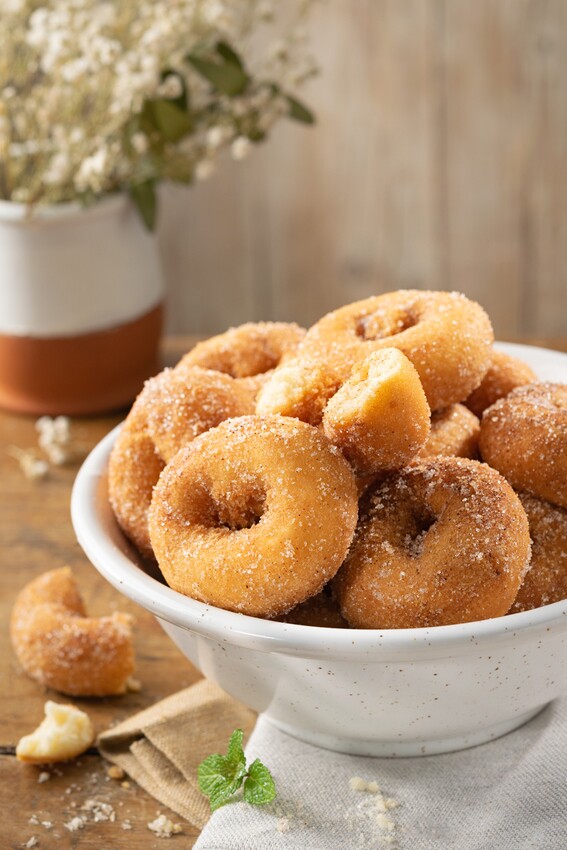
In many Somontano households, the arrival of a festival means one thing: the scent of freshly baked rosquillas filling the air. These anise-infused dough rings are crispy on the outside, soft on the inside, and deeply tied to family gatherings and holiday traditions.
Their recipe has been passed down through generations, making them one of the most beloved treats in local celebrations. The dough, made from flour, eggs, sugar, and a hint of anise, is shaped into rings, fried until golden brown, and dusted with sugar. The result is a fragrant, crunchy bite that perfectly represents Somontano’s rich culinary heritage.
Rosquillas are enjoyed throughout the year but are particularly common during festive periods, where they are shared among friends and family. Their distinctive aroma and nostalgic flavor make them one of those sweets that instantly transport people back to childhood.
More than just desserts, a living legacy
Aragonese pastry is a direct reflection of the deep bond between sweets, local festivities, and the region’s unique landscape. Each dessert tells a story that connects generations, illustrating how daily life, celebrations, and native ingredients have shaped this rich culinary tradition.
Locally sourced ingredients, such as almonds, honey, olive oil, and seasonal fruits, not only add authenticity but also embody the essence of the land. These flavors, combined with time-honored techniques passed down through families, ensure that each sweet is a living expression of Aragón’s cultural heritage.
Beyond their gastronomic appeal, these desserts play a vital role in family traditions and community gatherings. From crespillos made for the Annunciation Festival to guirlache enjoyed during local celebrations, each sweet reinforces the bond between gastronomy and identity.
Where to enjoy the best desserts in Aragón
To experience the authentic flavors of Aragonese pastry, there is no better choice than visiting local bakeries and artisan pastry shops. In Somontano, Fornocal, located in Alquézar, is renowned for preserving traditional recipes and using the finest ingredients. This bakery offers a wide variety of regional sweets, from crespillos de borraja to frutas de Aragón, all made with dedication and expertise.
In the Sierra de Guara, small bakeries keep the tradition of pumpkin pastillos and aniseed rosquillas alive, ensuring an authentic and immersive experience. Beyond these regions, historical pastry shops in Huesca, Zaragoza, and Teruel continue to be benchmarks for classics such as Almudévar braid and guirlache.
Local festivals also offer a unique opportunity to enjoy these desserts in their cultural setting. Events like the Feria del Dulce Artesano in Alquézar or Saint Joseph’s celebrations provide the perfect occasion to taste these traditional sweets and experience the rich culinary heritage of Aragón.
Which of these desserts would you love to try first? We invite you to discover the sweetest side of Aragón and experience the flavors of tradition at our restaurant in Alquézar.