
The Pink Tomato of Barbastro is one of those rare products that show how tradition, care for the land, and patient selection can give rise to something truly exceptional. In a market saturated with hybrid varieties that prioritize appearance and shelf life over flavor, this tomato offers a return to the essential: a fruit that smells, tastes, and stirs emotion. Its pale pink color, delicate skin, and meaty texture are not just aesthetic details—they are the result of centuries of work in the Somontano region’s fertile gardens.
Today, it is a source of local pride in Barbastro, a culinary reference point and one of the most sought-after ingredients for those who value authenticity in the kitchen. This article explores its history, unique characteristics, and current role—including its presence at Casa Pardina, where agricultural tradition is interpreted through a contemporary culinary lens. It is a tribute to the land, the flavor, and those who have preserved it.
A Story Rooted in Somontano Soil
Although the tomato arrived in Europe from the Americas after the 16th century, it was in places like Barbastro, at the foot of the Aragonese Pyrenees, that it found the ideal conditions to adapt and thrive. In this town in the province of Huesca, the farming tradition predates the arrival of the tomato. The fertile lands irrigated by the Vero and Cinca rivers, cultivated for centuries, provided the perfect setting for this fruit to flourish.
It was here that farmers began to empirically select tomatoes with the best flavor, texture, and resilience to the local climate. The result was a variety with thin skin, dense flesh, and a characteristic pink hue, preserved over generations as a family horticultural heritage. Each season, seeds were saved carefully, creating a unique genetic line now recognized as the Pink Tomato of Barbastro.
For decades, this tomato remained a local product, found mainly in family gardens and local markets. It wasn’t until the early 21st century, amid a resurgence of interest in traditional flavors, that efforts to revive it were formalized. In 2009, the Association of Market Gardeners of Alto Aragón was founded. In the years that followed, the tomato was granted Conservation Variety status and registered as a National Collective Trademark, ensuring both its origin and cultivation methods.
In essence, the story of the Pink Tomato is a story of loyalty to the land—of those who, despite pressure to grow more profitable, hardier crops, chose to continue cultivating a fruit that is delicate, flavorful, and deeply authentic.
What Makes the Pink Tomato of Barbastro Unique?
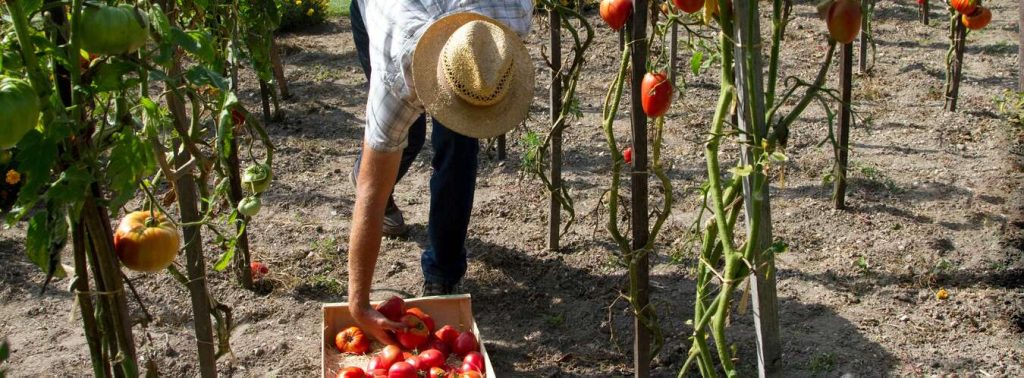
This tomato is like no other. Visually, it stands out for its generous size and pale pink tone, often tinged with green or orange near the stem. Its skin is so fine that it breaks easily, requiring gentle handling and exclusively manual harvesting.
Once bitten, the skin seems to disappear, yielding a fleshy, juicy, and uniform pulp, free of fibers or tough spots. Its texture is soft, and its juiciness balanced—making it a truly unique sensory experience.
A Balanced Flavor
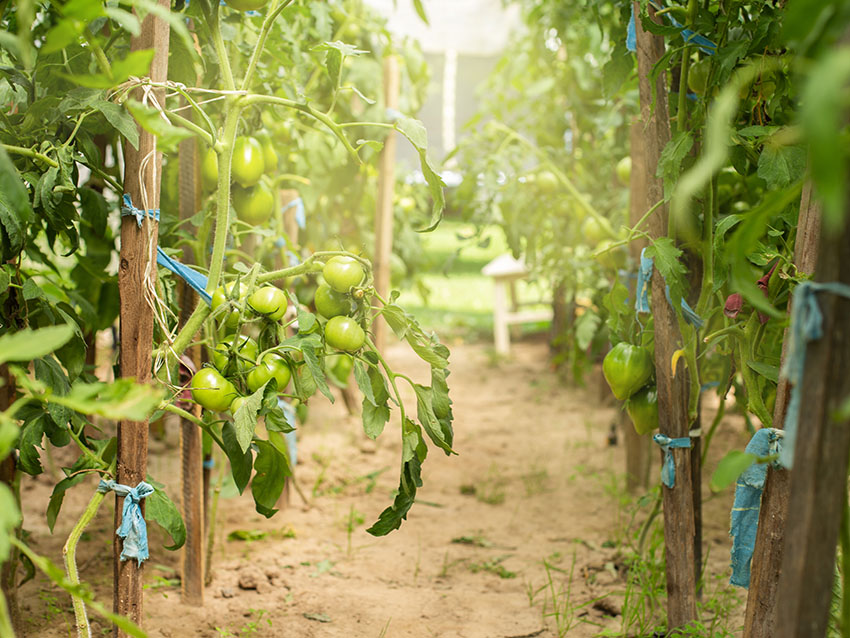
What truly sets it apart is its deep and harmonious flavor: a natural sweetness reminiscent of ripe fruit, balanced by just a hint of acidity for freshness. On the nose, it evokes tomato plant, moist earth, and summer sun. This is possible only because it ripens fully on the vine—never forced, never refrigerated.
A Seasonal Fruit
Its peak season is from July to October, especially in August and September. Far from being a limitation, this seasonality is part of its charm. Eating it out of season simply isn’t the same—the magic lies in its perfect moment. For this reason, it is never grown industrially or shipped long distances. It is a product of proximity, meant to be enjoyed fresh from the field.
From Farm to Table: Seasonality, Recipes, and Pairings
The Pink Tomato of Barbastro reaches its full potential when treated with simplicity and care. It doesn’t need complex techniques or bold flavors. Its best expression is raw, freshly cut, dressed with a few drops of extra virgin olive oil and a pinch of salt. No distractions—just its juicy texture and fruity flavor taking center stage.
It is often found in warm or cold salads, paired with sweet Fuentes de Ebro onions, tuna belly, burrata, or soft goat cheese. Spread on toasted rustic bread rubbed with garlic, it becomes a memorable bite. Its natural sweetness even lends itself to surprising contrasts with summer fruits like peaches or cherries.
Its meaty and balanced flesh also makes it ideal for cold soups like gazpacho or salmorejo. In these cases, it’s best to avoid strong vinegars, which could mask its aromatic profile. It also performs beautifully in uncooked sauces for white fish or fresh pasta, where it brings freshness and smoothness. However, it is rarely used in long simmered dishes—its fine skin and subtle aromas are not suited to extended heat. This tomato isn’t cooked; it’s respected.
When it comes to pairing, the Pink Tomato of Barbastro harmonizes naturally with wines from the Somontano region. Young rosés with fresh fruit and moderate acidity enhance its sweetness. White wines aged on lees, with a round mouthfeel and lingering freshness, are also excellent companions. On the food side, artisanal pickles, toasted nuts, and soft cheeses offer the perfect counterpoint.
Because if there’s one defining trait of this tomato, it’s its ability to hold its place on the plate without stealing the spotlight. It doesn’t need disguises—it shines on its own.
A Symbol of Somontano: Identity, Landscape, and Culture
In this part of Somontano, where agriculture has long been an emotional and economic backbone, the Pink Tomato of Barbastro is more than just a food. It’s a local emblem, a thread connecting generations of gardeners, traditional knowledge, and a way of understanding the bond between people and their land.
Its presence at fairs, festivals, and community competitions has made it a symbol of celebration. Each summer, Barbastro hosts events like the National Congress of the Pink Tomato, community planting days, and public tastings where neighbors and visitors alike savor the freshly picked fruit. These are not just promotional activities—they’re part of the cultural calendar, marking the arrival of the harvest and the season’s warmth.
The tomato also plays a role in the cultural landscape of Somontano, a region whose identity is built around quality products like Somontano wines, olive oil, and vegetables from traditional gardens. In this context, the pink tomato bridges agriculture and gastronomy, history and modern cuisine.
Those who grow it don’t just tend a crop—they preserve a legacy. And those who eat it, especially in its native setting, become part of that story. It’s not just a seasonal fruit: it’s a symbol of place, community, and meaningful ways of doing things.
At Casa Pardina: A Culinary Thread
At Casa Pardina, the Pink Tomato of Barbastro is not just a seasonal ingredient—it’s a constant presence that shapes the diner’s experience from the first bite. Throughout the menu, it appears in preparations that honor its flavor, texture, and origins, always in tune with the culinary identity of the Somontano.
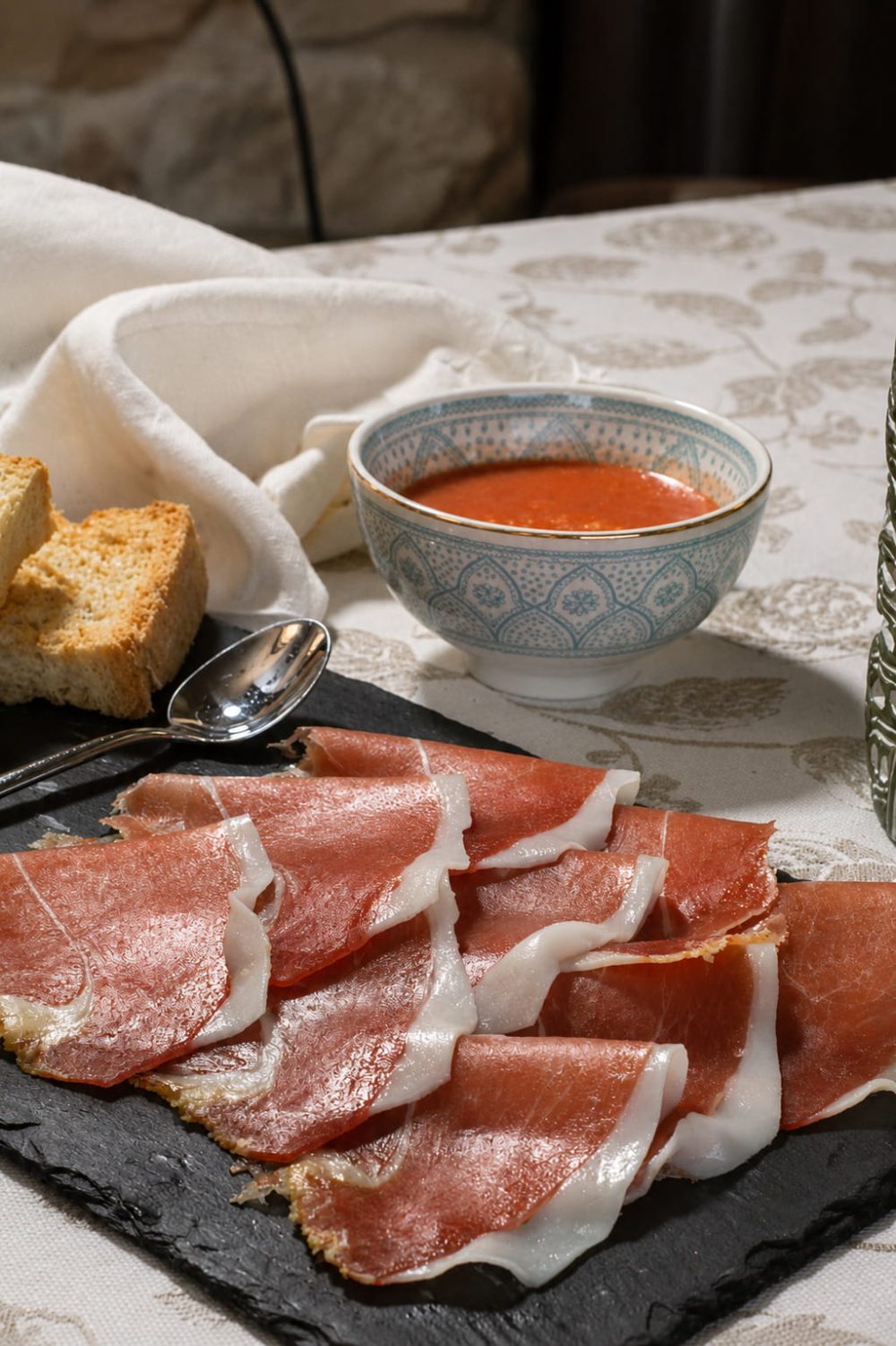
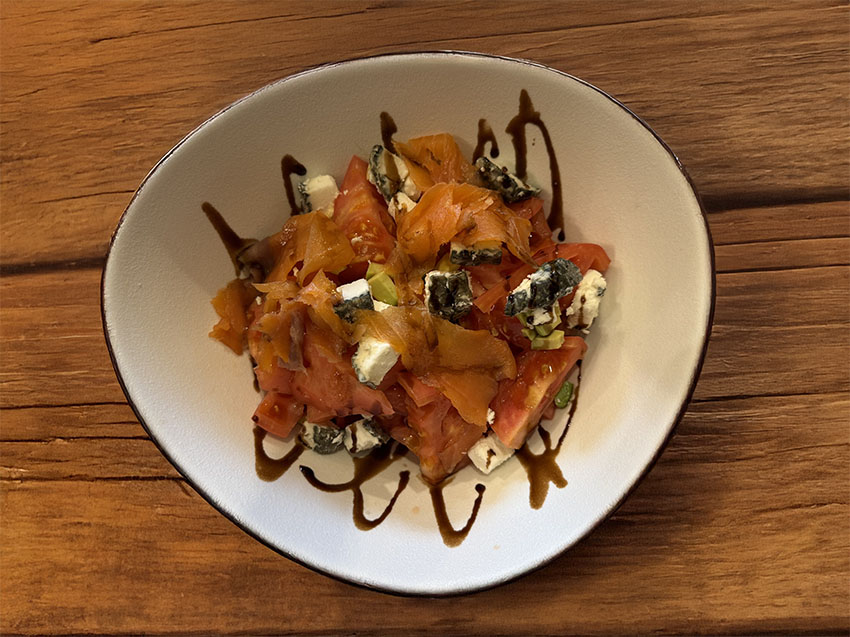
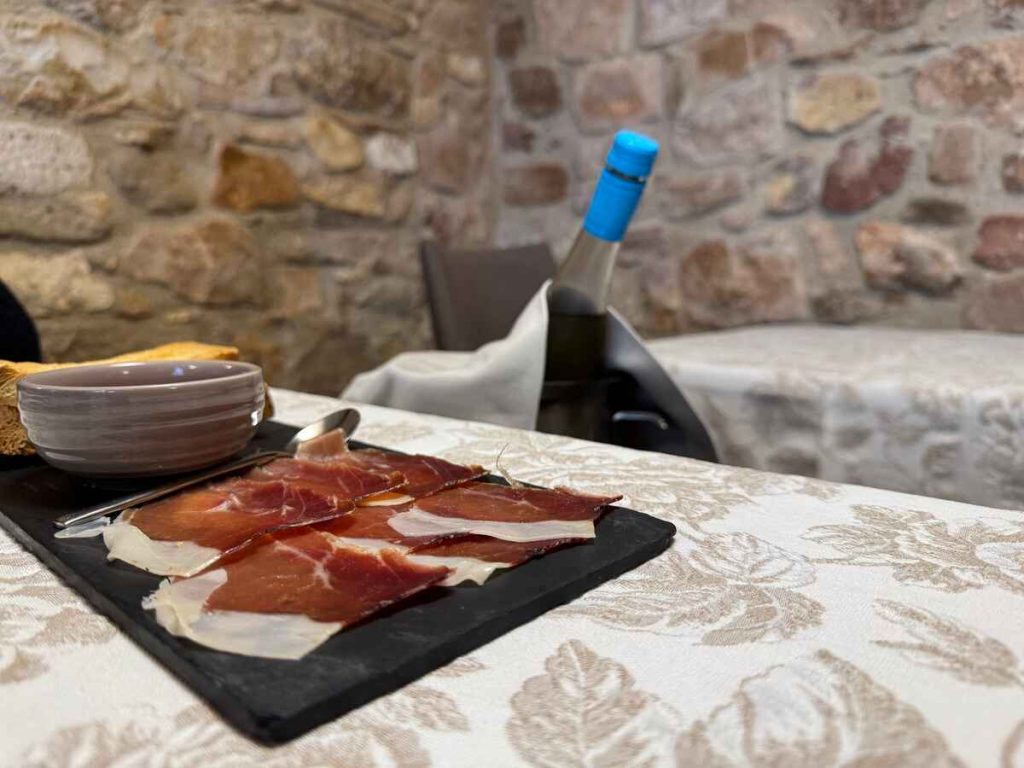
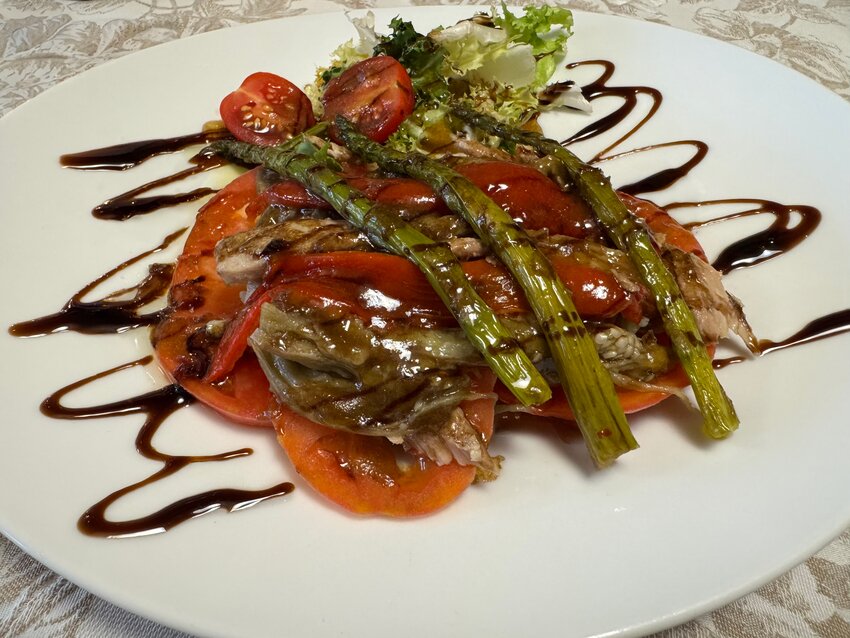
From the opening appetizers—such as D.O. Teruel ham with crushed tomato and toast—to signature starters like the salad of Pink Tomato with tuna belly and escalivada, or the creative diced tomato with avocado, Río Vero cheese, and smoked Cinca trout, it is showcased in all its versatility. Each preparation preserves its freshness and brings it into dialogue with other local ingredients.
It also features in shared dishes, maintaining its identity in more casual but equally expressive forms. The common thread: let the tomato speak—its sweetness, its texture, its personality.
Each piece is harvested at peak ripeness, and the respect shown in the kitchen is felt in every mouthful. In season, pairings with white or rosé wines from Somontano amplify its character without overshadowing it.
More than a culinary resource, the Pink Tomato at Casa Pardina is a statement of intent: that when flavors of the land are respected and used with coherence, they can say everything. And say it well.
More Than a Tomato: Legacy and Future
This tomato is more than an ingredient. It’s a symbol of a way of doing things: with care, with time, with truth. It represents a landscape, an agricultural memory, a culinary philosophy deeply rooted in territory.
When it arrives at the table, it’s not just food: it’s culture. In an era of sameness and haste, the Pink Tomato of Barbastro reminds us that flavor needs roots.
What if the next tomato you taste could tell you a story?
We await you at Casa Pardina, to savor it together—fresh from the Somontano garden to your table.