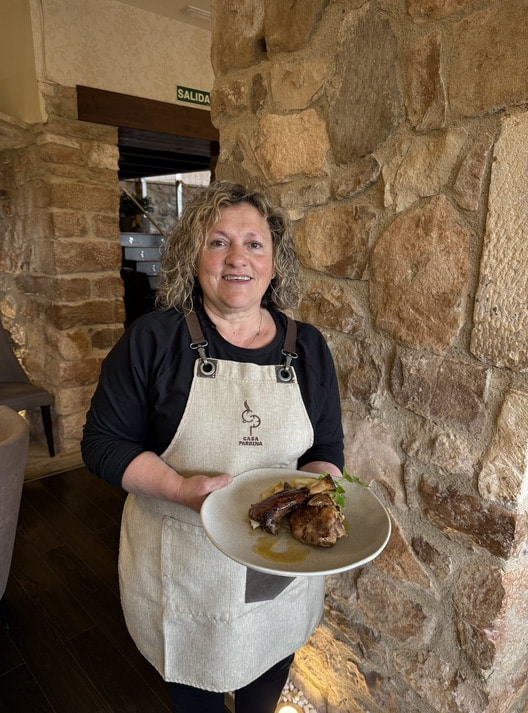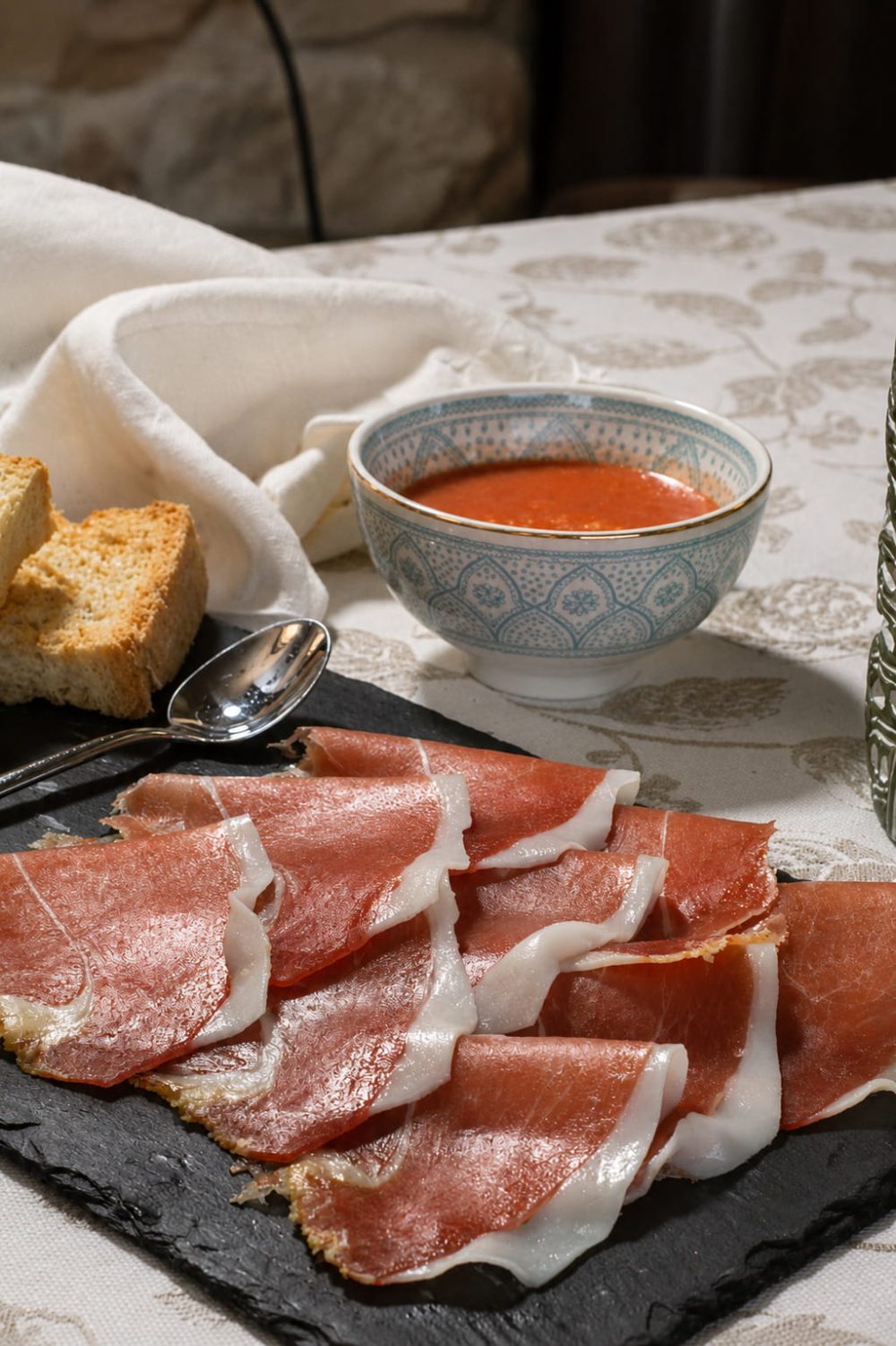

Ternasco de Aragón is an emblem of Aragonese gastronomy, with a tradition that has endured over time and continues to captivate palates both within and beyond the region. Its tender texture and unmistakable flavor make it a culinary reference.
This month, Aragón proudly celebrates the Month of Ternasco, an initiative that highlights this product through gastronomic events, special menus in restaurants, and activities centered around this delicacy. At Casa Pardina, we join this celebration by offering our most authentic interpretation of ternasco, emphasizing its tradition and the quality of a Protected Designation of Origin product for all those who choose to visit Alquézar.
Ternasco de Aragón: A Symbol of Culinary Identity
History and Origin of Ternasco in Aragón
Since ancient times, lamb has been one of the most appreciated meats in the Iberian Peninsula, but in Aragón, it has acquired a special status. Its consumption dates back to the medieval era when Aragonese shepherds raised lambs in the mountains and valleys of the region, taking advantage of the natural resources for their nourishment.
Over the centuries, ternasco became an essential dish in Aragonese gastronomy, present in festivities and family gatherings. Its flavor and tenderness are the result of careful breeding based on a natural diet of mother’s milk and cereals. The tradition of roasting it in a wood-fired oven with garlic, aromatic herbs, and olive oil has remained intact to this day.
Its Relevance in Aragonese Gastronomic Culture
Ternasco is not only a signature dish of Aragonese cuisine but also represents a way of life linked to livestock farming and the land. In many towns of the region, its preparation and consumption are closely tied to popular festivals, gastronomic fairs, and family traditions, reinforcing its cultural significance.
Over the years, ternasco has transcended Aragón’s borders and is now one of the most valued meats in Spanish haute cuisine.
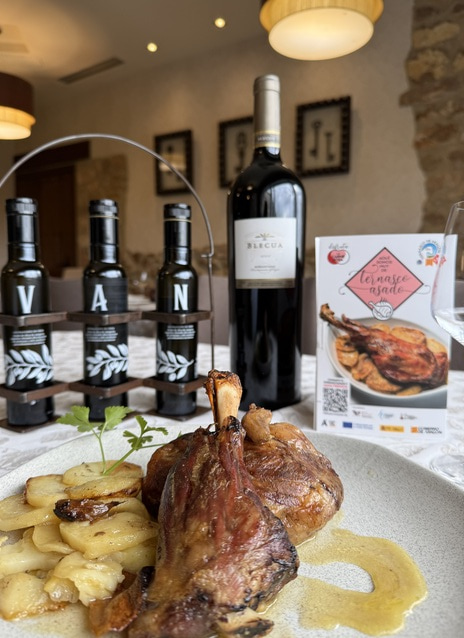
Designation of Origin and Official Recognition
What is the Protected Geographical Indication (PGI) Ternasco de Aragón?
Ternasco de Aragón was the first lamb in Spain to obtain Protected Geographical Indication (PGI) certification, a seal that guarantees its quality and origin. To achieve this distinction, it must meet strict production standards that ensure its tenderness and unique organoleptic properties.
The requirements to receive PGI certification include:
- Coming exclusively from native breeds such as Rasa Aragonesa, Ojinegra, and Roya Bilbilitana.
- Being raised in controlled farms and fed exclusively on mother’s milk and natural cereals.
- Being under 100 days old and weighing between 8 and 12 kg at the time of slaughter.
Thanks to these controls, ternasco de Aragón has become a benchmark of quality both within and outside the region.
The Tradition Behind Its Preparation
Ternasco de Aragón is not just a product deeply rooted in Aragonese gastronomy, but also one with a culinary tradition that has been passed down from generation to generation. Its preparation is key to enhancing its flavor and achieving the characteristic tender texture that makes it unique.
From wood-fired roasting to grilling, ternasco has evolved while maintaining its essence. Its preparation varies by province, but in all cases, the quality of the meat and its accompanying ingredients are respected.
Key Ingredients and Their Importance
Ternasco de Aragón stands out for its natural flavor, a result of a diet based on cereals and mother’s milk. This nutritional foundation results in tender meat with a well-balanced fat infiltration, making it juicy and aromatic.
For traditional preparation, simple but essential ingredients are used:
- Extra virgin olive oil, essential in Aragonese cuisine, providing smoothness and enhancing flavors.
- Garlic and salt, fundamental seasonings that elevate the meat’s natural taste without overpowering it.
- Aromatic herbs such as rosemary and thyme, adding mountain-scented notes characteristic of Aragón.
- Local side dishes, including panadera-style potatoes, roasted peppers, or seasonal vegetables, which complement the texture and taste of the dish.
Most Popular Cooking Methods
Throughout history, ternasco de Aragón has been prepared in different ways, depending on family tradition and geographical area. While there are multiple cooking methods, some have become iconic in Aragonese cuisine:
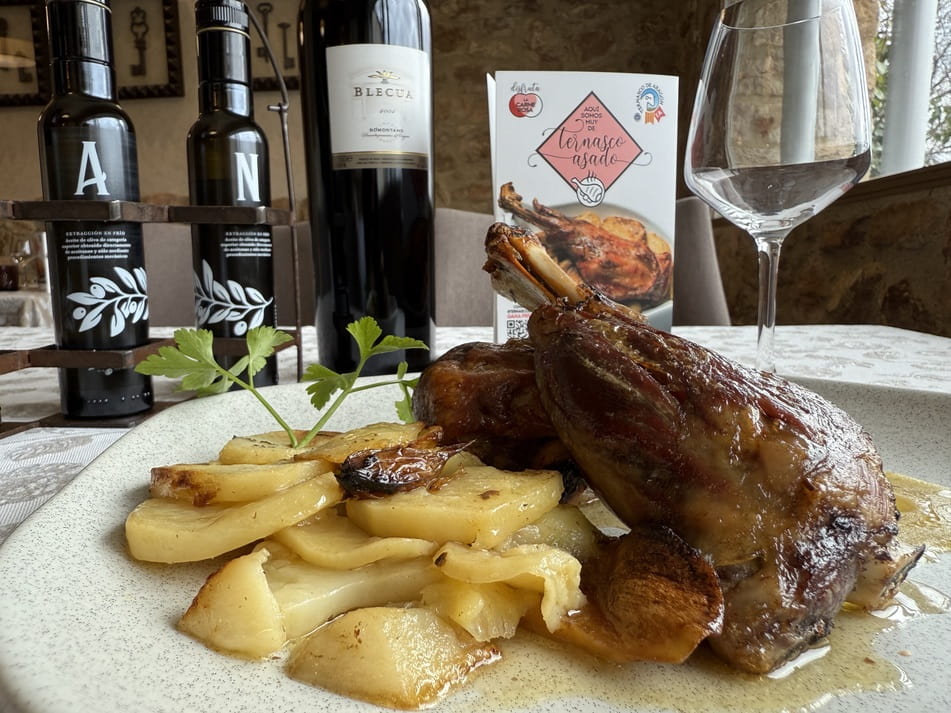
- Oven-roasted: The most emblematic preparation. It is slow-cooked to achieve crispy skin and tender meat that melts in the mouth. It is seasoned with garlic, salt, olive oil, and aromatic herbs and is often accompanied by panadera-style potatoes, which absorb the meat’s juices.
- Grilled: Ternasco chops are one of the most appreciated versions when cooked on the grill. Roasted over wood or charcoal embers, they acquire a smoky aroma and a crispy exterior, while remaining juicy inside. This is the perfect way to enjoy ternasco in its purest form.
- Stewed or braised: In the colder months, ternasco stew with potatoes, onions, carrots, and white wine is a comforting choice. Slow-cooked, the meat absorbs the flavors of the ingredients, becoming extremely tender. This version is traditional in many Aragonese homes.
- Low-temperature cooking: In modern gastronomy, this technique has revolutionized the way ternasco is prepared. The meat is seared and cooked for hours at low temperatures, achieving an unparalleled texture without losing juiciness. This method is used in more sophisticated versions, combining ternasco with emulsions or innovative garnishes.
The culinary richness of ternasco de Aragón lies in its adaptability. Whether in its classic version or in contemporary proposals, it remains a symbol of Aragonese gastronomy.
Ternasco in Modern Gastronomy
Aragonese cuisine has evolved without losing its essence, and ternasco de Aragón is a clear example of this. Although it has traditionally been prepared roasted or grilled, its versatility has made it a key ingredient in haute cuisine, with restaurants in Alquézar being a must-visit for enjoying it.
Prestigious restaurants have reinvented ternasco in avant-garde proposals. Today, it can be found in signature tapas, gourmet burgers, bao buns, and fusion dishes with international influences. Techniques such as low-temperature cooking, exotic spice marinades, and unexpected ingredient pairings allow for new flavors while preserving its essence.
Beyond its role in haute cuisine, ternasco has adapted to modern consumers’ preferences. Lighter versions have been developed, with steamed vegetables or mild sauces that enhance its flavor without overpowering it. It has also gained popularity in individual servings, such as small cuts on skewers or boneless portions, making it easier to enjoy in trendy restaurants.
At Casa Pardina, ternasco remains one of our star dishes, but we present it in a way that respects tradition while meeting modern expectations. Our cuisine combines the excellence of the product with a meticulous preparation that enhances its qualities, offering a gastronomic experience that pays tribute to the history of this dish without sacrificing creativity.
Ternasco de Aragón has proven to be both a dish for special occasions and a perfect option for modern cuisine. Its unmistakable flavor and certified quality keep it a reference in Spanish gastronomy.
The Perfect Pairing: What to Drink with Ternasco de Aragón
Ternasco de Aragón is a dish that perfectly balances tenderness and character, allowing it to be paired with a wide variety of beverages. Its juicy and flavorful meat, with just the right amount of fat for depth, pairs excellently with structured wines, craft beers, and vermouths that enhance its aromatic profile.
Wines from Somontano and Other Recommended D.O.s
The most traditional pairing for ternasco is wine, especially those with body and good acidity, capable of balancing the meat’s juiciness and fat. In Aragón, the Somontano Designation of Origin offers a wide range of wines that perfectly match this dish.
Somontano wines, such as young reds with a smooth palate, made from Garnacha and Moristel grapes, enhance the juiciness of ternasco without overwhelming the palate. For more robust preparations, such as oven-roasted ternasco, aged and reserve wines from Cabernet Sauvignon or Syrah add complexity and elegance to the experience.
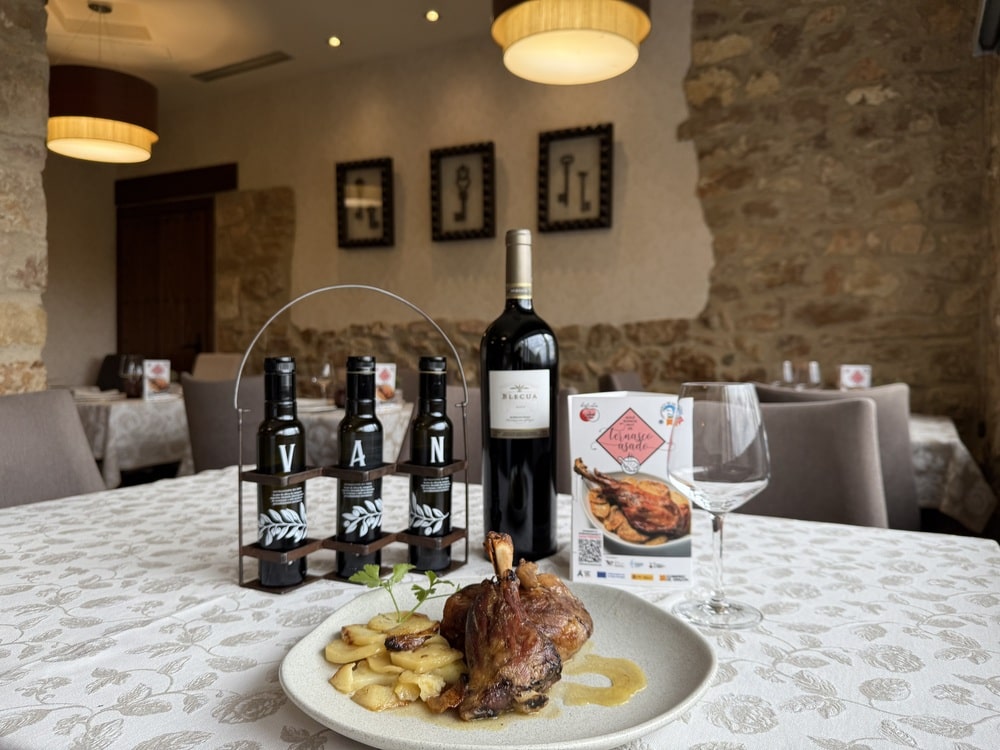
Celebrate the Month of Ternasco in Aragón
The Month of Ternasco in Aragón is a unique opportunity to rediscover this iconic dish in different formats and versions. Throughout this celebration, numerous restaurants and establishments across the region offer special menus, tastings, and gastronomic events centered around this product.
Events and Gastronomic Journeys Around Ternasco
Each year, this event brings together producers, chefs, and gastronomy lovers to promote ternasco consumption and showcase its culinary versatility. Wine tastings, live cooking shows, and presentations demonstrate new ways to prepare this delicacy while preserving its essence. Additionally, guided farm visits provide consumers with insight into the certified production process of ternasco de Aragón and its economic importance in the region.
Restaurants and Places to Enjoy It
During this celebration, numerous restaurants participate by offering special menus focused on ternasco, combining traditional recipes with innovative interpretations.
At Casa Pardina, faithful to our philosophy of preserving the essence of Aragonese gastronomy, we have prepared an exclusive menu where ternasco is the main protagonist. Our proposal includes classic preparations, such as oven-roasted ternasco with panadera-style potatoes, an ideal choice after exploring the famous Alquézar walkways.
The Month of Ternasco is the perfect excuse to visit specialized restaurants and discover different versions of this dish, from traditional stews to sophisticated presentations that showcase its versatility in haute cuisine.
Are you ready to try it?