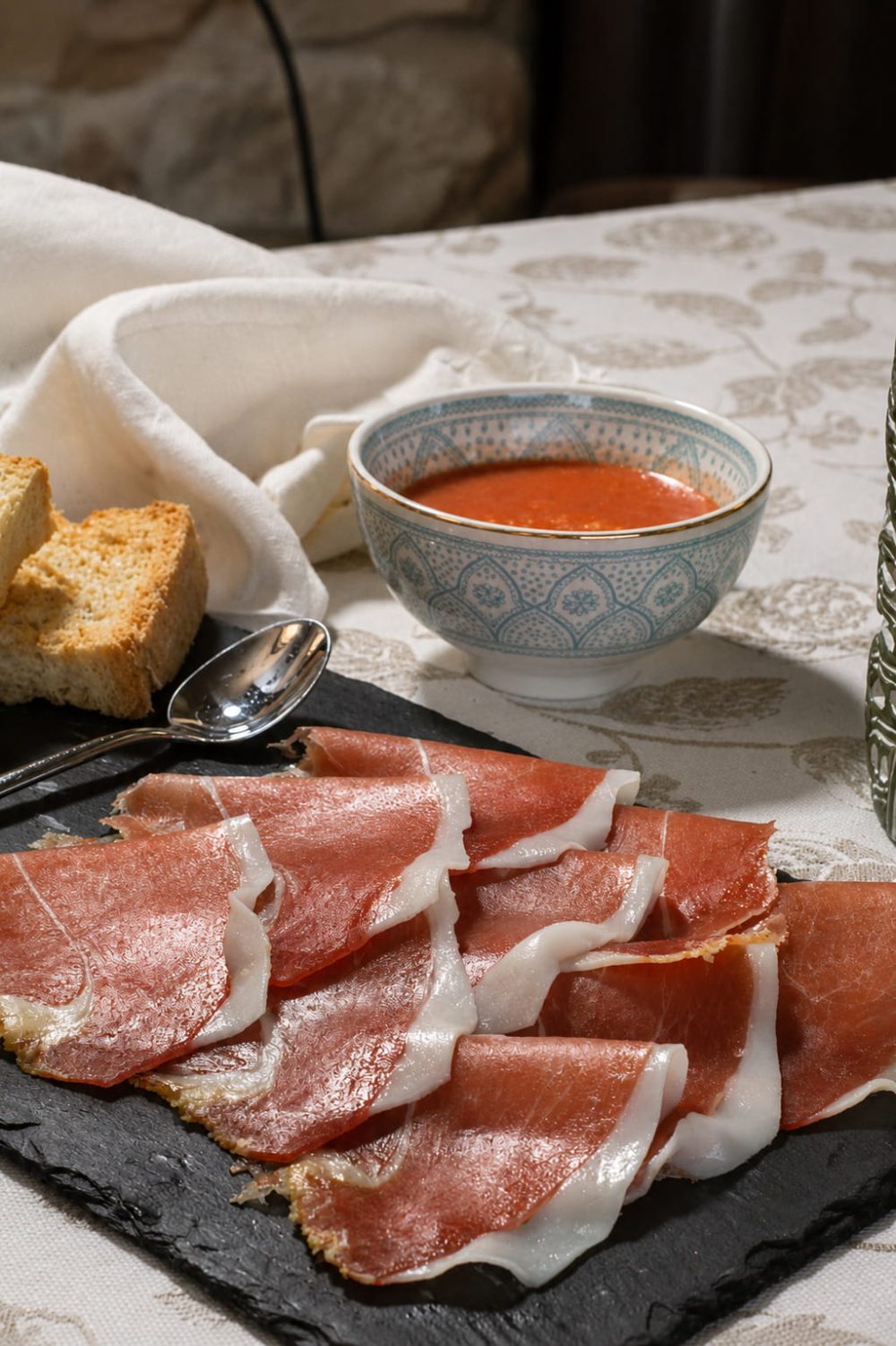

Between the Pyrenees mountains and the gorges of Sierra de Guara, Huesca holds a well-aged secret: its artisan cheeses. More than just a product, they embody a living tradition that connects land, culture, and flavor.
A Millenary Tradition Among Mountains and Cliffs
The Pastoral Legacy of the Pyrenees
In the valleys of the Pyrenean region of Huesca, cheesemaking has been a key method of preserving milk and ensuring food supplies for winter. Local herding communities developed artisanal skills passed down through generations. Traditional cheeses from these areas, made with raw cow, sheep, or goat milk, reflect the authenticity of a landscape where extensive livestock farming still prevails.
The Cheese-Making Heritage of Sierra de Guara
Further south, in Sierra de Guara, cheesemaking was historically a domestic task. Families would make simple cheeses for personal use, often enjoyed with a glass of Somontano wine. In recent decades, passionate producers have revived this ancestral know-how and turned it into an economic and cultural asset. The Nasarre brothers from Las Almunias de Rodellar are a prime example: they learned to curdle milk from their family and now create “Quesos de Guara”, a regional benchmark.
From Home-Made to Contemporary Craftsmanship
The rise of artisan cheese in Huesca began in the late 20th century. Pioneers like Quesos de Radiquero transformed goat milk into signature cheeses now found in gourmet shops across Spain. This momentum has inspired new dairies that blend respect for tradition with a commitment to quality. Today, Huesca’s artisan cheese scene forms a dynamic network that revitalizes rural life and enriches Spain’s culinary landscape.
What Makes Huesca Cheeses Unique?
Mountain Milk, Native Breeds, and Diverse Pastures
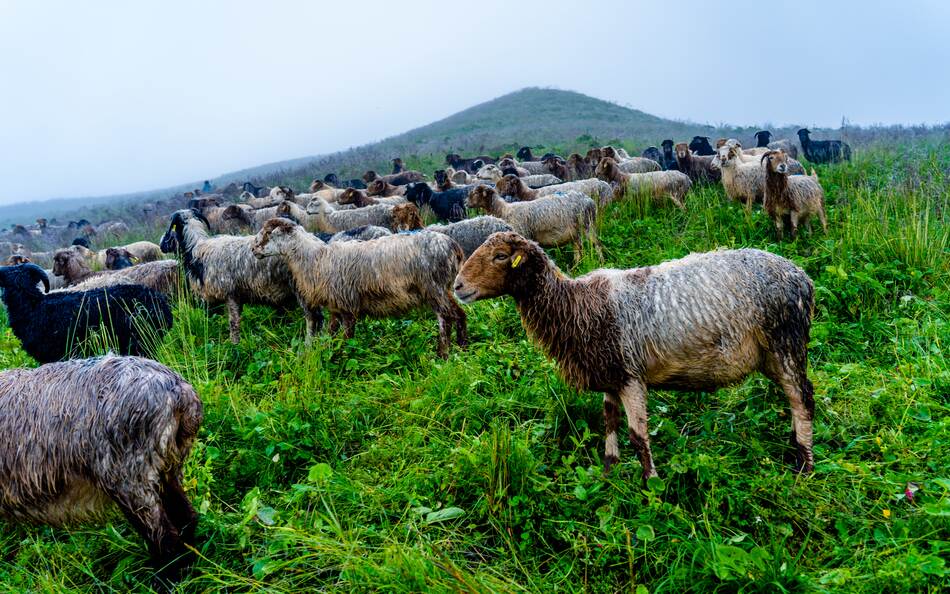
The diverse geography and climate of Huesca allow for a wide variety of cheeses. In the humid Pyrenees, cow milk is most common; in Guara and Somontano, goat and sheep milk dominate. Native breeds grazing on mountain herbs and wild pastures give the milk distinctive flavors expressed in each cheese. This bond between land and taste makes each piece a reflection of its origin.
Traditional Methods and Natural Aging
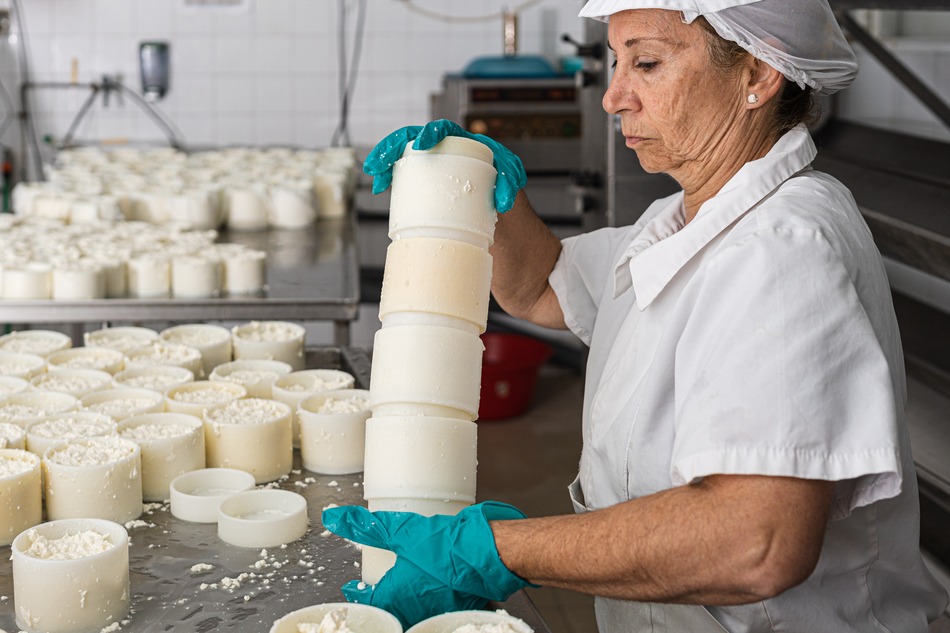
Many cheesemakers in Huesca use raw milk and natural cultures. Cheeses are shaped by hand, aged with native molds or matured in olive oil. Some follow seasonal rhythms, like special spring and autumn batches in Guara. This patient, manual process creates cheeses with character—rich in texture, aroma, and evolving taste.
Textures, Aromas, and Flavors That Tell a Story
The range goes from fresh Burgos-style cheeses to intense aged ones, including creamy rind cheeses. Herbal notes, tangy accents, spicy or milky finishes—each cheese tells a story. Microclimates in each dairy affect rind development and microbial flora, resulting in unique expressions in every batch.
Notable Dairies in Sierra de Guara
Quesos de Radiquero (Adahuesca)
Since the 1970s, this Somontano-based dairy has produced specialties like “Sierra de Sevil”, “San Pelegrín”, and the award-winning “Río Vero”, recognized at the World Cheese Awards. Led by master cheesemaker Conchi Mata, their workshop blends tradition, innovation, and guided tours. Their cheeses—named after local landmarks—are praised by experts and cheese lovers alike.
Quesos de Guara (Las Almunias de Rodellar)
The Nasarre brothers craft seasonal cheeses such as “Capricho de Guara” (cured sheep, truffled, or rosemary-flavored), “Flor de Guara” (soft goat cheese), and a unique wine-washed cheese. Their commitment to seasonal production results in one-of-a-kind cheeses marked by the spirit of Sierra de Guara.
Villa Villera (Sieso de Huesca)
This family-run farm offers fresh cow cheese, ricotta, yogurts, and mixed-milk aged cheeses. Made from their own milk and produced daily, their cheeses are a local favorite. Their unsalted fresh cheese is especially valued for its clean taste and soft texture.
Beyond Guara: Other Cheese Gems of the Province
Dairies like Bal de Broto, Saravillo, Mas del Tano, and Quesos de Senz keep the cheesemaking tradition alive across Huesca. Each offers specialties, such as Saravillo’s blue goat cheese or the aged Benasqués from Ribagorza. In Fraga, Mas del Tano produces an award-winning blue goat cheese; in Broto, raw milk cheeses are named after historic valley figures.
Cheese, Tourism, and Enogastronomic Experience
Visits and Tastings
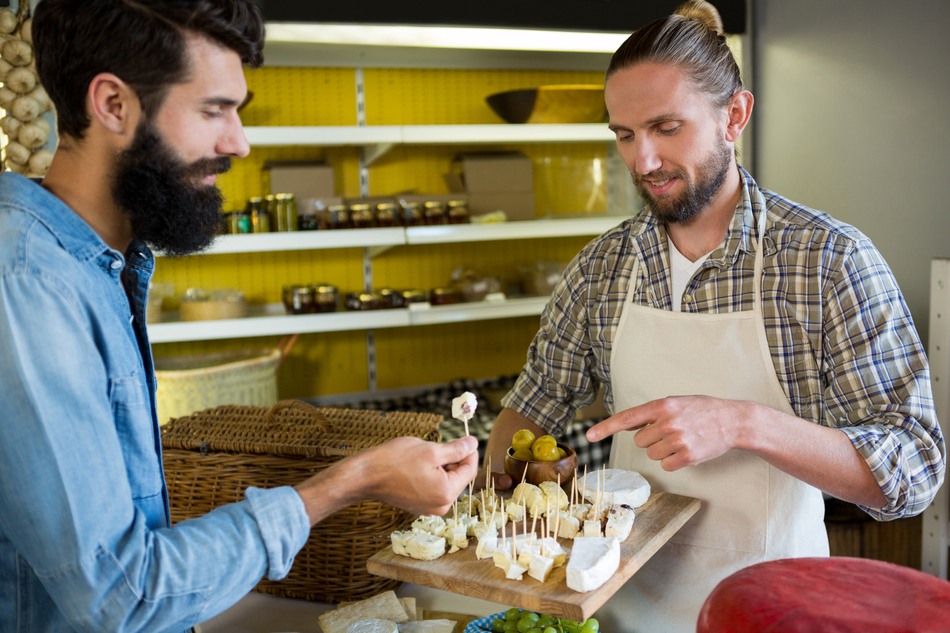
In Radiquero, Guara, or Sieso, visitors can tour the facilities, watch the cheesemaking process, and enjoy guided tastings. These experiences often form part of routes like the Somontano Wine Trail, blending scenery, culture, and flavor. They help the public appreciate the craftsmanship and the importance of supporting local products.
Fairs, Routes, and Gourmet Events
Events such as the Biescas or Aínsa Fairs, or the Fira de Sant Ermengol, bring together cheesemakers and curious visitors. Hiking or biking trails through Guara are perfect for discovering family-run dairies. Some festivals also include workshops, tastings, and pairings, enhancing public understanding of artisan cheese.
A Way of Life You Can Taste
Artisan cheesemaking in Huesca is an expression of identity. Each cheese encapsulates landscape, history, and dedication. A living product, it tells of the land, its people, and a way of life that endures. It stands as a testament to the resilience of Alto Aragon villages and their commitment to nature and heritage.
Would You Like to Taste These Cheeses at Their Origin?
At Casa Pardina, in the heart of Alquézar, we invite you to explore Sierra de Guara with all your senses. Enjoy a local gastronomic experience with our menus featuring regional artisan cheeses, paired with Somontano wines and served with warm mountain hospitality.
Book your enogastronomic experience at Casa Pardina and discover the true flavor of Huesca.